
Choosing the right non-surgical facial treatment is not about following trends or applying the same solution to every face. Each skin ages differently, responds in its own way, and has specific needs depending on each person’s stage of life. That is why the key is not the treatment itself, but understanding what your skin needs and what your real aesthetic goal is.
A well-chosen treatment not only improves the appearance of the face, but also respects skin balance, its natural regeneration process, and overall facial harmony.
Why not all facial treatments work the same way
When discussing facial treatments, it is common to look for a quick and universal solution. However, skin does not behave the same in every case. Factors such as genetics, lifestyle, sun exposure, and stress have a direct impact on skin quality and evolution.
Choosing the right approach means assessing the skin in its current condition, rather than relying solely on age or generic recommendations. A personalised approach leads to more coherent, natural, and long-lasting results.
The first step: identifying what your skin needs
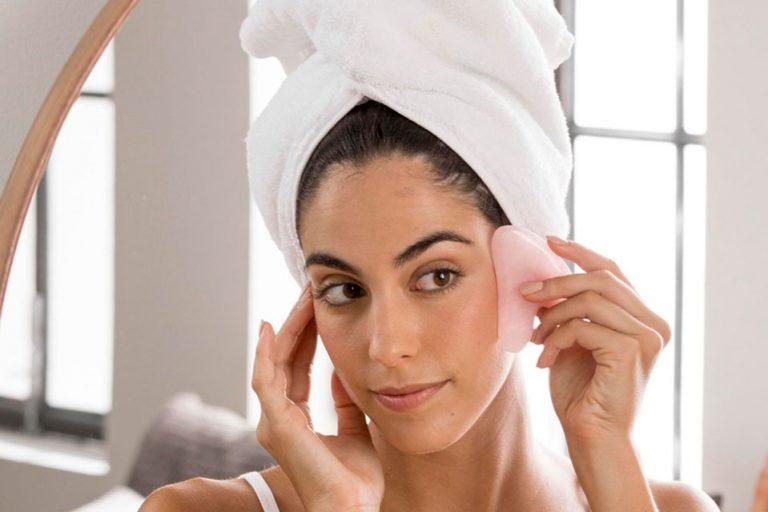
Before choosing a non-surgical facial treatment, it is essential to identify the main concern that affects your skin.
In some cases, the skin looks dull or tired, often related to impaired skin renewal or accumulated stress. In these situations, the goal is to restore luminosity and improve overall skin quality.
In other cases, wrinkles or progressive skin laxity appear. Not all wrinkles are the same or have the same origin, which is why the treatment should be approached gradually and respectfully.
Pigmentation issues or uneven skin tone are also common. These concerns require consistency and an approach that supports the skin throughout its regeneration and protection process.
Finally, ageing can affect specific areas such as the lips, where definition or proportion may be lost. In these cases, treatment should focus on preserving facial harmony.
What to consider before choosing a treatment
Biological age and skin quality are more important than chronological age. Two people of the same age may require completely different approaches. Lifestyle and consistency in skincare routines also play an important role in treatment selection.
A well-chosen non-surgical facial treatment does not aim to transform the face, but to support its natural evolution with progressive and stable improvements.
Non-surgical facial treatments according to your goal
Some treatments are designed to improve skin texture, others focus on firmness, tone, or specific facial areas. The key is not to choose the most comprehensive option, but the one that best suits your current needs. In many cases, a step-by-step treatment plan delivers better results than a single, isolated approach.
When to consider an integral treatment such as Molding Mask
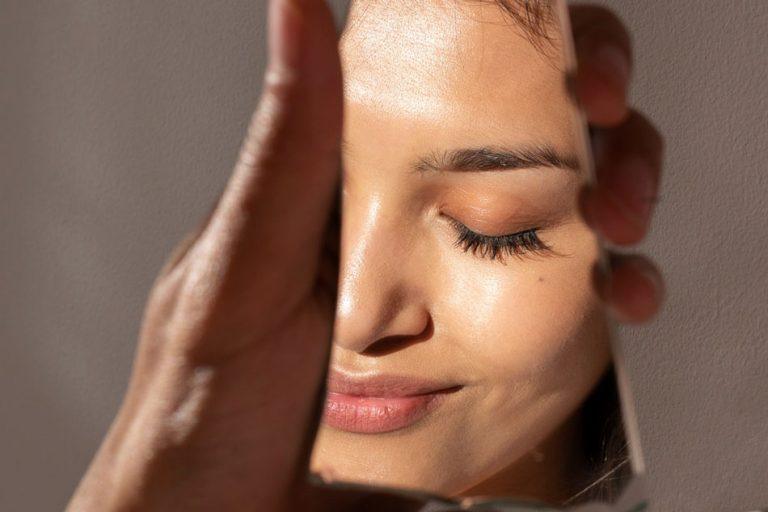
An integral treatment such as Molding Mask may be recommended when there is a single concern, such as wrinkles, pigmentation, or loss of luminosity. It is not necessary for all signs to be present in order to benefit from the treatment.
When several concerns coexist, results are often more comprehensive, as the skin is treated in a global and in-depth manner. However, it is not always necessary to address everything at once. Localised outpatient options such as Molding Contour, Molding Lip, or half-face treatments allow for a progressive and personalised approach.
Conclusion
Knowing how to choose a non-surgical facial treatment according to your individual case means listening to your skin and trusting a professional diagnosis, as highlighted by specialised dermatological sources.
Professional follow-up allows the treatment plan to be adapted to the skin’s natural evolution over time.