

What Is Skin Aging?
Understanding intrinsic and extrinsic skin aging is essential to explain why the face changes over time.
Skin aging does not respond to a single cause. It is the result of a natural biological process combined with external factors that accelerate deterioration. Although both mechanisms occur simultaneously, their origin is different. Identifying which one predominates allows for a more effective prevention and treatment strategy.
Intrinsic Aging: The Natural Biological Process
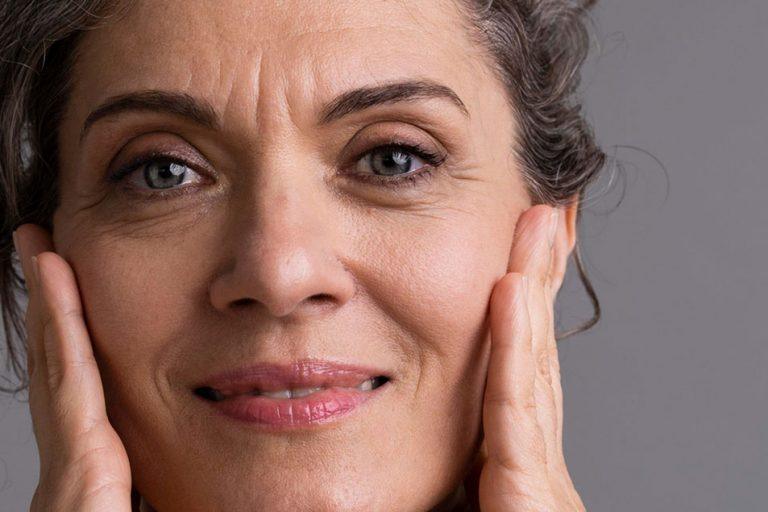
Intrinsic aging is determined by genetics and the body’s biological clock. It is a progressive and inevitable process that affects the entire body, including the skin.
Over time, collagen and elastin production decreases. As a result, the skin becomes thinner, loses density, and develops fine lines. Dryness may increase, and recovery from external aggressions becomes slower.
Even though healthy nutrition and regular physical activity support skin quality, genetics still plays a major role in how and when visible signs of aging appear.
Extrinsic Aging: The Impact of Environment and Lifestyle
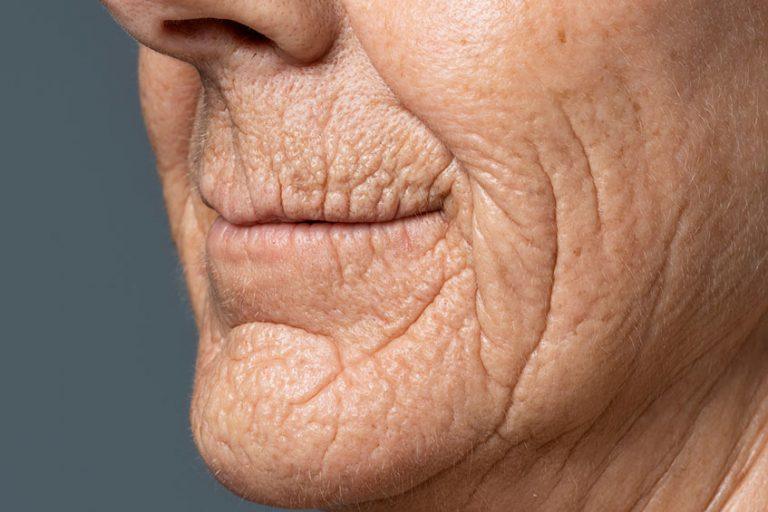
Unlike intrinsic aging, extrinsic aging is linked to external factors. It is largely responsible for visible skin aging and is the component we can influence the most.
Cumulative sun exposure is one of the primary triggers of extrinsic aging. Ultraviolet radiation accelerates collagen breakdown and promotes the appearance of wrinkles and pigmentation changes, as highlighted by the American Academy of Dermatology in its recommendations for preventing premature skin aging.
Similarly, practicing outdoor sports without adequate protection can increase skin damage due to exposure to wind, cold, or extreme heat.
Other factors such as chronic stress, environmental pollution, high sugar consumption, and tobacco use also contribute to collagen degradation. This cumulative process leads to more pronounced wrinkles, uneven pigmentation, and loss of skin radiance.
In many cases, extrinsic aging is what causes the skin to appear older than a person’s biological age.
Early Signs of Extrinsic Aging
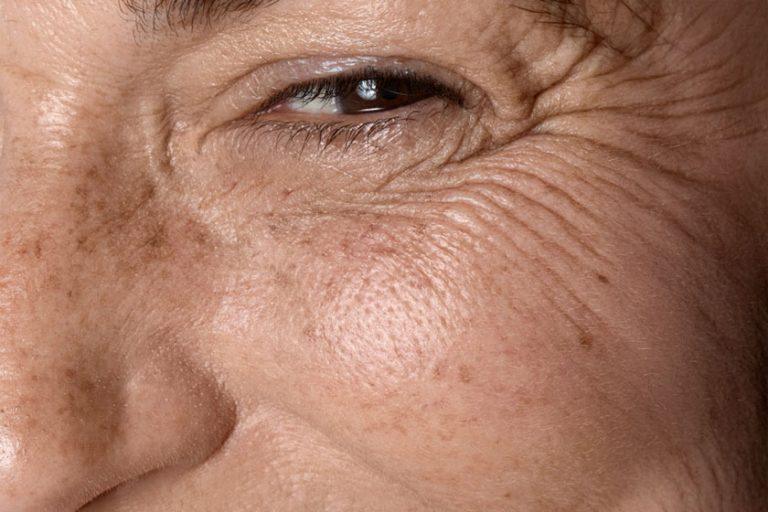
One of the most important aspects of intrinsic and extrinsic skin aging is recognizing its early signs. In the case of extrinsic aging, changes often appear earlier than expected and tend to be irregular. Small dark spots, dullness, or deeper lines in sun-exposed areas may be the first indicators of accumulated damage. Identifying these signs early allows for preventive action before structural deterioration progresses further.
Key Differences Between Intrinsic and Extrinsic Skin Aging
The main difference between intrinsic and extrinsic skin aging lies in their origin and their potential for prevention.
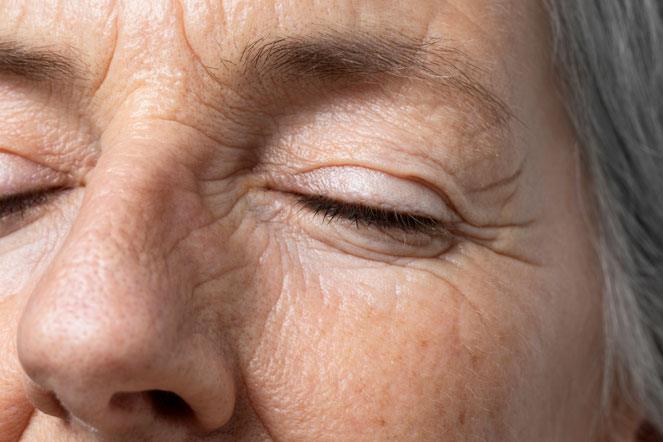
Intrinsic aging is driven by the natural passage of time and genetic factors. It progresses gradually and is typically characterized by thinner skin and fine lines. Extrinsic aging, on the other hand, is influenced by lifestyle and environmental exposure. It may appear earlier than expected and is often associated with pigmentation changes, deeper wrinkles, and uneven texture.
In clinical practice, it is common to observe a combination of both processes. However, the external component usually has the greatest impact on the visible appearance of the face.
The Role of Collagen in Skin Aging
Collagen plays a central role in both intrinsic and extrinsic skin aging. This protein is responsible for maintaining skin firmness, elasticity, and structural integrity. Over time, collagen production naturally declines, contributing to the formation of wrinkles and skin laxity.
However, external factors such as ultraviolet radiation, smoking, and poor nutrition can accelerate collagen degradation. When collagen fibers weaken, the skin loses density and begins to show more noticeable signs of aging.
How to Prevent Intrinsic and Extrinsic Skin Aging
Intrinsic aging cannot be stopped, but extrinsic aging can be significantly slowed.
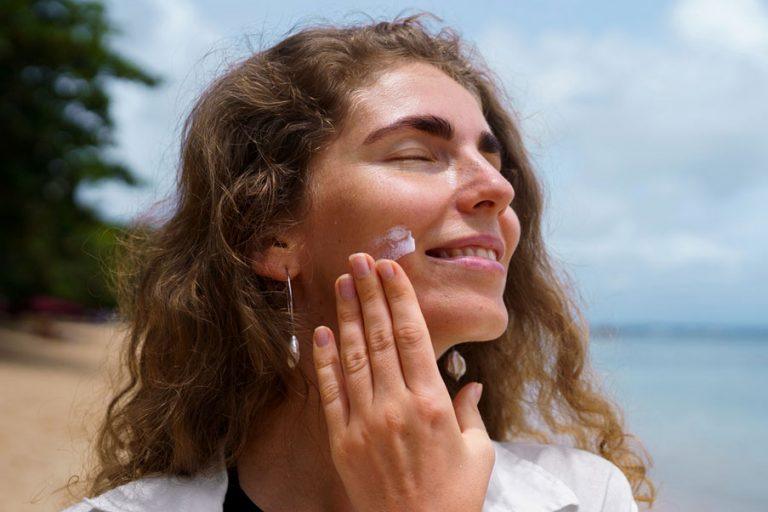
Daily sun protection throughout the year is one of the most important preventive measures. This should be combined with a skincare routine tailored to your skin type and a balanced diet that limits refined sugar intake, as excessive sugar can negatively affect collagen quality.
Moderate physical activity also supports circulation and skin oxygenation, provided it is practiced with appropriate environmental precautions.
Understanding intrinsic and extrinsic skin aging allows for a more personalized approach. While intrinsic aging is linked to genetics and the natural aging process, extrinsic aging is associated with environmental factors that can be modified to improve overall skin health and appearance.
Visible Differences According to Age
The way intrinsic and extrinsic skin aging manifest can also vary depending on age. In younger patients, environmental factors tend to predominate, particularly those related to sun exposure. From the age of 40 or 50 onward, intrinsic aging becomes more prominent due to the progressive decline in collagen and elastin production. Understanding this progression helps design skincare strategies tailored to each stage of life.
What Type of Aging Predominates in Your Skin?
In clinical practice, it is rare to find purely intrinsic or exclusively extrinsic aging. Most individuals present a combination of both. However, identifying which component predominates allows for a more personalized approach.
Skin with pronounced pigmentation changes and irregular texture often reflects a stronger influence of extrinsic aging. In contrast, thinner skin with progressive density loss and fine wrinkles may be more closely associated with intrinsic aging. Accurately determining the underlying cause helps establish a more precise and individualized care plan for each patient.
Current Treatments to Improve Skin Quality
When the signs of both intrinsic and extrinsic aging become visible, treatment options aimed at stimulating skin regeneration from the outside can help improve overall skin quality.
Molding Mask is one of the procedures designed to promote skin renewal and progressively enhance texture and tone. In specific cases, such as deep pigmentation associated with melasma, a more structured protocol may be required to target deeper skin layers effectively.
The key lies in carrying out a personalized assessment to determine which type of aging predominates and which strategy is most appropriate in each case.
Ultimately, understanding how and why the skin ages allows for more informed decisions. While the passage of time is inevitable, many of the factors that influence facial appearance can be managed through healthy habits and professional evaluation. The goal is not to stop time, but to accompany it in a balanced and healthy way.
Caring for the skin is not simply about applying products. It involves understanding the mechanisms that influence aging, adopting preventive measures, protecting the skin from external aggressors, and periodically evaluating its condition. Prevention and early assessment consistently make a meaningful difference in long-term skin health.