

Diet and skin aging are closely connected, although many people don’t fully understand to what extent.
It’s very common, especially from the age of 35 or 40, to hear the same phrase in consultation: “I take care of myself, I try to eat well, I use good products… but my skin isn’t the same anymore.” Wrinkles begin to appear, the skin loses firmness, looks duller, and there’s a feeling that something just doesn’t add up.
For years, we’ve been led to believe that skin care depends mainly on what we apply externally. However, the reality is more complex. The skin reflects what is happening inside the body, and diet plays a much more important role than most people realize.
Understanding this connection not only helps improve the appearance of the skin, but also allows for more realistic expectations about how it evolves over time.
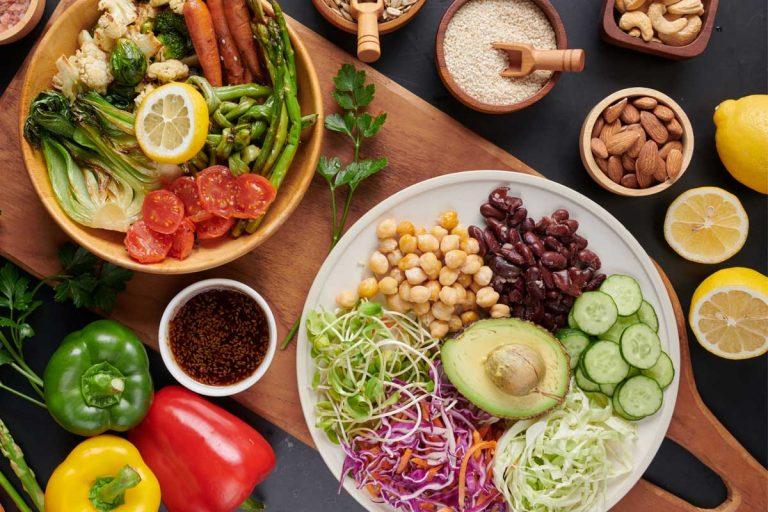
Why do wrinkles appear even if you take care of your skin?
Taking care of yourself is important, but it’s not always enough.
The skin does not function in isolation. It depends on multiple factors that act at the same time. Some are external, such as sun exposure or lifestyle habits. Others are internal, like diet or genetics. As with many aspects of skin care, there is no single cause that explains aging.
This helps explain why two people with similar habits can have very different skin. It also explains why, even when you’re doing everything right, it’s normal for visible changes to appear over time.
The most common mistake is thinking that if you take good care of your skin, you can completely prevent wrinkles. In reality, the goal is not to stop aging, but to understand it and manage it in the most appropriate way.
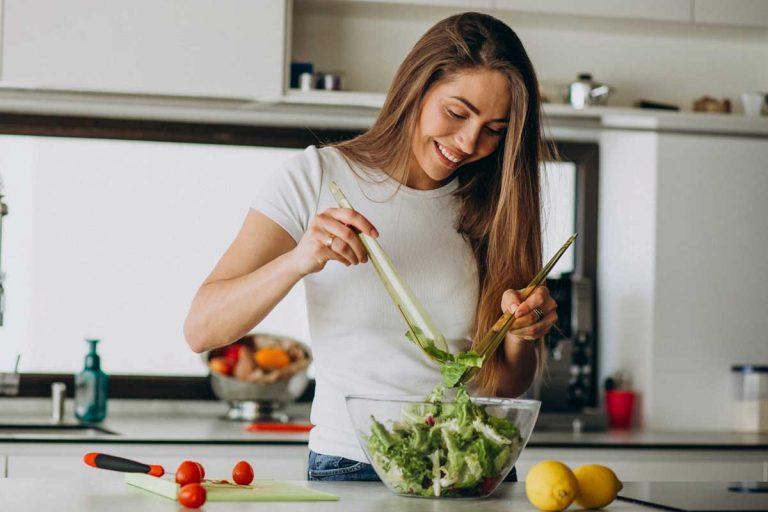
The real relationship between diet and skin aging
When we talk about diet and skin aging, we are not simply referring to “eating healthy” in general terms. It’s about understanding how certain foods directly influence the structure and behavior of the skin.
Collagen: the foundation of firm skin
Collagen is a key protein that provides firmness, elasticity, and structure to the skin. Over time, its production naturally decreases, but there are also factors that can accelerate this process.
One of the most significant is the regular consumption of sugar. This ingredient, so common in everyday diets, directly affects collagen quality, progressively weakening it. Over time, this loss of structure leads to the appearance of wrinkles and loss of firmness.
What matters here is not to demonize a specific food, but to understand that small daily choices have a cumulative impact on the skin.
Inflammation and skin aging
Another key factor is inflammation.
Certain dietary habits promote an inflammatory state that, although not always noticeable, affects the overall quality of the skin. This inflammation can lead to dullness, reduced elasticity, and a lower capacity for regeneration.
It is a silent process, not visible from one day to the next, but one that gradually becomes noticeable over time.
In fact, organizations such as the Fundación Española de la Nutrición highlight the importance of a balanced diet not only for overall health, but also for maintaining tissues, including the skin.
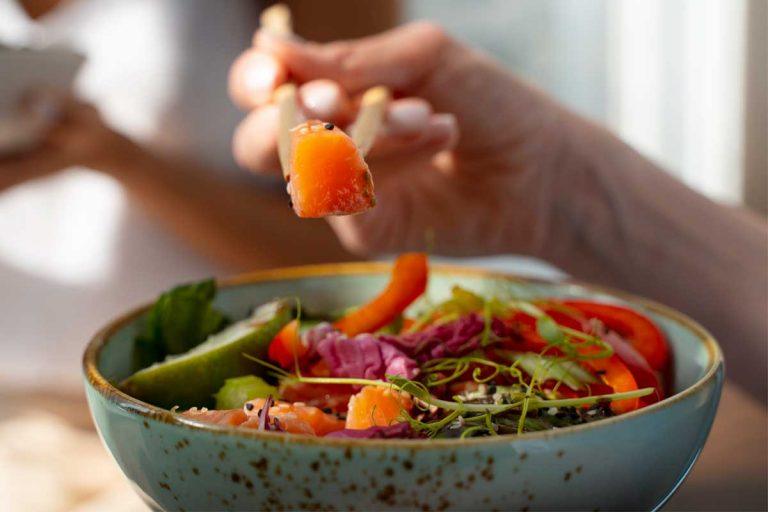
The hidden problem in your daily diet
Many people believe they have a good diet simply because they don’t eat poorly in an obvious way. However, the problem often lies in the small everyday details.
Sugar is one of the clearest examples. It is present in common daily products and consumed almost automatically: in coffee, desserts, drinks, or processed foods. Its effect on the skin is not immediate, but progressive, affecting the structure of collagen and accelerating visible skin aging.
Other factors also play a role, such as unbalanced diets or a lack of essential nutrients. It’s not about doing everything perfectly, but about understanding that the accumulation of small daily habits makes a difference over time.
Which foods help maintain healthier skin
Just as there are habits that negatively affect the skin, there are also foods that help maintain it in better condition.
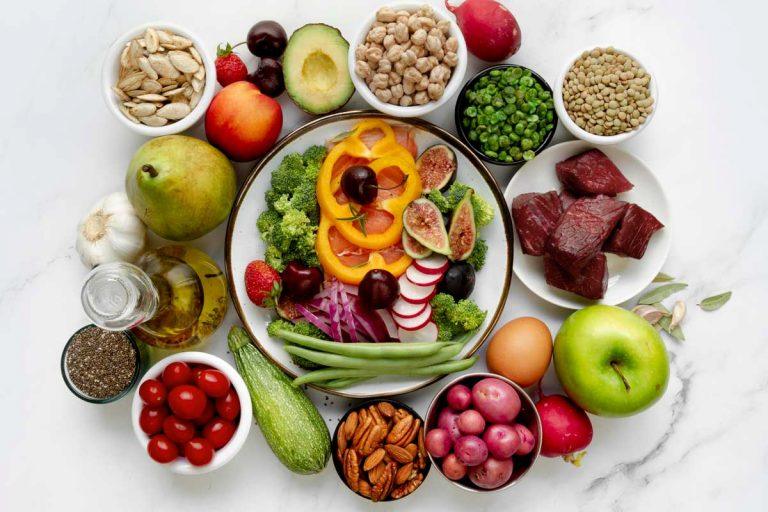
Some stand out for their ability to provide nutrients that support elasticity, hydration, and protection against external factors. This includes certain vegetables, fruits rich in vitamin C, fish with essential fatty acids, or foods like avocado, which are associated with better skin quality.
However, it’s important to understand that no single food will transform your skin on its own. What truly makes a difference is the overall diet maintained consistently over time.
How far can diet really help your skin?
This is where it’s important to be realistic.
Diet has a significant influence on skin aging. It can help keep the skin in better condition, delay certain visible signs, and improve its overall appearance. However, it cannot completely stop the aging process.
There are factors that cannot be controlled, such as genetics or the natural passage of time. Even with healthy habits, it is normal for the skin to evolve and for wrinkles to appear. In fact, this is one of the most common misunderstandings: thinking that if you do everything right, you shouldn’t notice any changes.
As we explain in our article on skin age: intrinsic vs. extrinsic aging, there are internal processes—such as genetics—and external factors—such as lifestyle and environmental exposure—that act simultaneously and influence how the skin evolves over time.
Accepting this is not negative. On the contrary, it allows for better decision-making and helps avoid unnecessary frustration.
A more complete approach to skin care
Skin care should not be seen as a choice between diet or treatments. In reality, both approaches are part of the same process and complement each other.
Diet and skin aging are closely connected, but they do not always progress at the same pace. You may maintain healthy habits for years and still begin to notice changes such as loss of firmness, wrinkles, or dull-looking skin. This does not mean you are doing something wrong, but rather that there are factors that go beyond diet alone.
Taking care of what we eat helps keep the skin in better condition and can delay certain visible signs, but once these changes appear, it becomes necessary to act more specifically. At that point, the skin needs more than prevention — it requires an approach that can improve its quality progressively.
For this reason, the most effective approach is to combine both levels of care. On one hand, maintaining habits that support internal balance. On the other, relying on external solutions that allow us to address the changes that have already occurred.
In this context, well-selected skincare and treatments such as Molding Mask make it possible to act more precisely on the skin, helping to improve its appearance while respecting its natural balance. The goal is not to change the skin, but to support its evolution with the right approach.
Conclusion
Diet and skin aging are part of the same process and should be approached from a global perspective.
Taking care of what we eat is essential to maintain healthy skin, but it is not the only piece of the puzzle. Aging is a natural process influenced by multiple factors, some of which are beyond our control.
For this reason, the goal should not be to prevent the skin from changing, but to understand why it changes and what options are available to support this process in the most appropriate way.