

When sweating stops being normal
Sweating is a completely natural function of the body. It helps regulate body temperature and prevents overheating. However, when sweating becomes excessive and occurs regardless of heat, exercise, or physical activity, it may be a sign of an underlying condition.
Hyperhidrosis in the armpits and hands is a common disorder that causes excessive sweating, even while at rest. Many people live with it for years believing they simply “sweat more than others,” when in reality there is a medical explanation—and, more importantly, an effective treatment.
Although hyperhidrosis is not considered a serious health condition, it can have a significant impact on daily life. Wearing certain clothes, shaking hands, using a smartphone, writing on paper, or feeling confident during social or professional situations can become a constant source of stress.

What Is Hyperhidrosis?
Hyperhidrosis is the medical term for excessive sweating. It occurs when the sweat glands produce far more sweat than the body actually needs to regulate its temperature.
Sweat glands are small structures located throughout the skin. Under normal circumstances, they help cool the body. In people with hyperhidrosis in the armpits and hands, these glands receive stronger-than-normal signals from the nervous system, causing them to produce excessive amounts of sweat.
While hyperhidrosis can affect different parts of the body, the most common areas are the armpits, palms of the hands, soles of the feet, and sometimes the forehead.
For many people, the condition begins during adolescence or early adulthood and may continue for years if left untreated.
Why Does Hyperhidrosis in the armpits and hands Occur?
This is one of the most common questions patients ask.
In most cases, there is no underlying disease causing the excessive sweating. Doctors refer to this as primary hyperhidrosis, a condition in which the nervous system overstimulates the sweat glands.
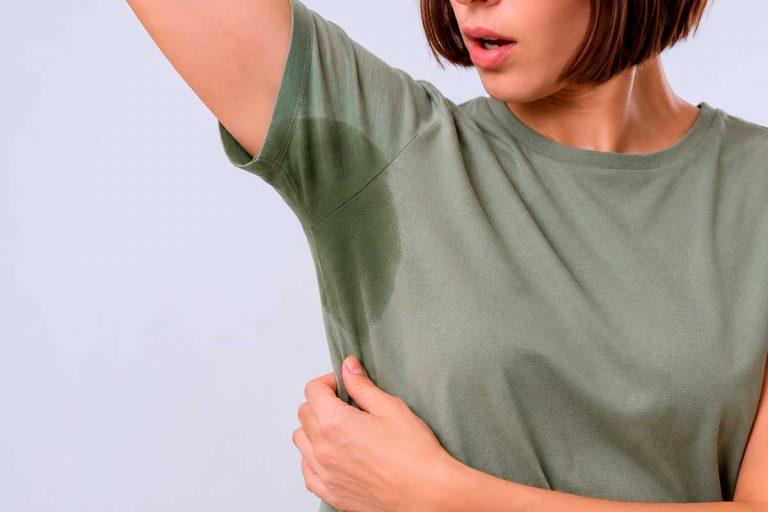
In simple terms, the brain sends signals telling the sweat glands to produce sweat even when there is no real need. As a result, the hands or underarms may become wet while sitting at a desk, watching television, attending a meeting, or simply having a conversation.
There is also a less common form known as secondary hyperhidrosis, which may be linked to hormonal disorders, certain medical conditions, or specific medications. In these cases, identifying and treating the underlying cause is just as important as managing the sweating itself.
For this reason, a proper medical evaluation is always recommended before starting treatment.
¿How can Hyperhidrosis affect daily life?
People who have never experienced hyperhidrosis often assume it simply means sweating a little more than usual. The reality, however, can be very different.
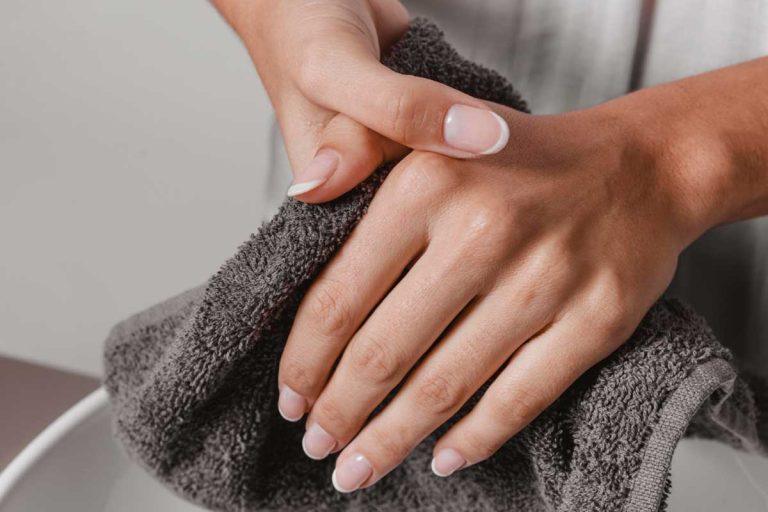
Hyperhidrosis in the armpits and hands can interfere with many everyday activities. Some people change clothes several times a day because of sweat stains. Others avoid raising their arms in public or feel embarrassed to shake hands because their palms are constantly wet.
At work, excessive sweating can make it difficult to write, hold tools, handle paperwork, or use electronic devices comfortably.
Over time, these situations may affect self-confidence, increase anxiety, and even lead people to avoid certain social or professional interactions.

Is There a Treatment for Hyperhidrosis in the Armpits and Hands?
Yes. Today, several treatment options are available to help control excessive sweating. The most appropriate solution depends on the severity of the condition and each patient’s individual needs.
Milder cases may improve with prescription-strength antiperspirants. However, when these products are no longer effective or sweating significantly affects quality of life, medical treatments become a more suitable option.
Among them, botulinum toxin has become one of the most effective and widely used treatments for hyperhidrosis in the armpits and hands.
Botulinum Toxin: One of the Most Effective Treatments
Although many people associate botulinum toxin with aesthetic medicine, it has been used for many years to treat several medical conditions, including hyperhidrosis.
Its mechanism is relatively easy to understand.
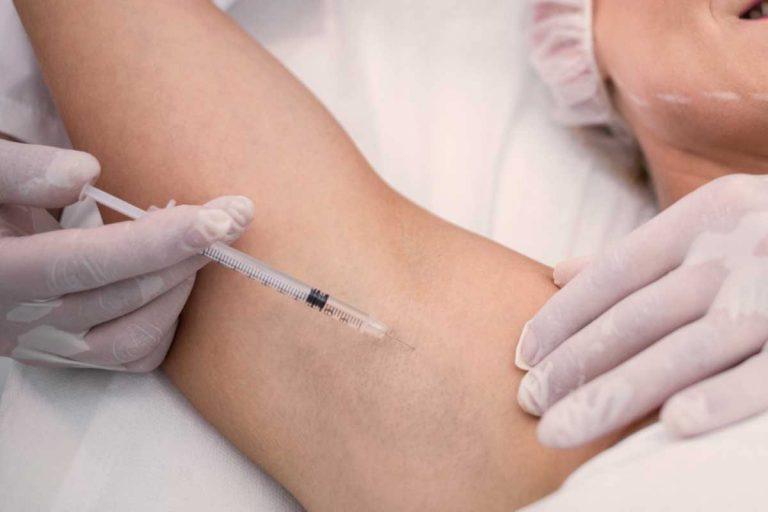
Sweat glands need to receive signals from nearby nerves in order to produce sweat. Botulinum toxin temporarily blocks these signals, preventing the treated sweat glands from receiving the instruction to produce excessive sweat.
Importantly, the treatment only works in the areas where it is applied. The rest of the body continues to regulate temperature normally.
The procedure is performed in a medical office and usually takes only a few minutes. Once completed, patients can return to their normal daily activities while following their physician’s recommendations.
The effects begin to appear gradually over the following days, with maximum improvement developing shortly afterward. Results vary from one person to another, and your physician will advise you when another treatment session may be appropriate.
Who can benefit from this treatment?
Botulinum toxin is particularly suitable for people whose hyperhidrosis in the armpits and hands has a significant impact on their daily lives.
If excessive sweating affects the way you dress, limits your confidence in social situations, or interferes with your work or everyday activities, it may be time to seek a medical evaluation.
Every patient is different, and treatment should always be tailored to individual needs.
Why an accurate diagnosis matters
Although most cases are classified as primary hyperhidrosis, not every case of excessive sweating has the same cause.
A medical consultation helps confirm the diagnosis, rule out underlying conditions, and determine the most appropriate treatment based on your symptoms and medical history.
It also provides an opportunity to discuss realistic expectations and answer any questions before treatment begins.
Conclusion
Hyperhidrosis in the armpits and hands is much more common than many people realize, and it can have a considerable impact on daily comfort and self-confidence. Fortunately, living with excessive sweating is no longer something patients simply have to accept.
Today, several effective treatments are available, and botulinum toxin has become one of the leading options for controlling excessive sweating in both the underarms and hands.
If excessive sweating is affecting your daily routine, a personalized medical assessment can help determine the most appropriate treatment and allow you to regain confidence in everyday situations.